


Estimated reading time: 12 minutes
Takeaways
- Choosing the best broadband provider London depends on your exact postcode and which infrastructure reaches your address.
- London’s internet landscape features ‘Big Pipes’ from Openreach and ‘Special Pipes’ from independent Alt-Nets like Community Fibre and G.Network.
- Opt for an ISP offering symmetrical upload speeds to enhance remote work and avoid bandwidth throttling during peak hours.
- Check for real FTTP availability with independent tools and always verify installation conditions before signing new agreements.
- For immediate internet needs, consider 5G home internet solutions as a reliable alternative if fixed lines aren’t available.
Contents
- Summary- Best Broadband Provider London
- Stop Overpaying for Speed: Matching Your London Lifestyle to the Right Mbps
- The Battle of the Pipes: Why Community Fibre and G.Network are Winning the Capital for Best Broadband Provider London
- Winning the Postcode Lottery: How to Check Real Fibre Availability in Your Borough
- Avoid the ‘April Trap’: Managing Contracts, Price Hikes, and Social Tariffs
- 5G Home Internet: The Secret Weapon for Basement Flats and Fast Moves
- Your 2026 Switching Blueprint: Secure Better Internet in 3 Steps
- Frequently Asked Questions
Finding the best broadband provider London offers shouldn’t feel like a full-time job, yet your options change drastically from one street to the next. Picture a Hackney resident in a Victorian terrace paying a premium for a sluggish connection, while their friend in a Canary Wharf new build enjoys lightning-fast speeds for half the cost. According to recent Ofcom data, this postcode lottery is a frustrating daily reality for millions of remote workers. In short, picking the best broadband provider london or the best internet provider london comes down to your exact postcode and building.
This massive performance gap exists because the capital doesn’t rely on a single shared utility. Instead, the city is wired with a complex patchwork of “Big Pipes” and “Special Pipes.” The big pipe is the standard Openreach infrastructure utilised by familiar national giants like BT and Sky—major isps in uk. However, industry research reveals a major surge in Alternative Networks (Alt-Nets)—independent providers building ultra-fast, private lines exclusively for specific London neighbourhoods. For any household, your eventual isp provider choice is dictated by which lines reach your street.
Ultimately, securing the fastest broadband london can provide depends on which of these physical networks reaches your front door. In 2026, a truly “good” connection means having enough capacity for a whole family to stream simultaneously without a single Zoom freeze in the kitchen. Finding the right ISP requires matching your specific address to the correct physical network. That is also how you identify the best broadband provider in london for your needs.

Summary- Best Broadband Provider London
London broadband is a postcode-by-postcode decision: your best ISP depends on whether Openreach’s “Big Pipes” or Alt-Net “Special Pipes” (e.g., Community Fibre, G.Network, Hyperoptic) reach your address. Choose a speed tier based on real household needs and prioritise reliable FTTP with symmetrical upload, since evening congestion and throttling make headline gigabit plans poor value for many. Always verify true FTTP availability and install constraints (like wayleaves), factor in CPI-linked price rises, and check eligibility for social tariffs. If fibre isn’t feasible—or you need instant setup—5G home internet is a strong fallback. To switch smoothly, confirm your contract end date, compare by postcode, and book the new install before cancelling the old line.
Stop Overpaying for Speed: Matching Your London Lifestyle to the Right Mbps
Paying for maximum speed is the biggest mistake Londoners make when choosing high-speed internet london plans. While you know more “Mbps” means faster downloads, providers rarely mention they often artificially slow your connection down during busy evening hours—a frustrating practice called bandwidth throttling. Consequently, many of the best internet providers sell expensive “gigabit” plans to people who simply won’t use that much capacity. This simple rethink helps you choose the best internet provider london uk for your household rather than an overpriced headline speed.
If your Zoom freezes in the kitchen, the hidden culprit is usually your upload speed. Sending live video to your colleagues requires serious power, which is why finding symmetrical upload speeds for remote workers in London—meaning your upload matches your fast download speed—is essential. Calculate your true household capacity to avoid overpaying, using these profiles. Ask your isp internet provider whether symmetrical packages are available at your address:
- The Solo Scroller (30-50 Mbps): One person streaming Netflix and browsing their smartphone.
- The WFH Duo (100-150 Mbps): Couples juggling simultaneous video calls and evening streaming.
- The Gamer (300-500 Mbps): Downloading massive updates without lagging out flatmates.
- The Smart Home (900+ Mbps): Only for large families with 4K TVs and dozens of active devices.
Knowing your exact speed requirement stops you from buying a vanity package, but you still need a network that delivers it reliably. Older networks share crowded street cables, making local challengers like Community Fibre and G.Network increasingly vital across the capital. If reliability matters, aim for the most reliable broadband uk tiers available in your area.
The Battle of the Pipes: Why Community Fibre and G.Network are Winning the Capital for Best Broadband Provider London
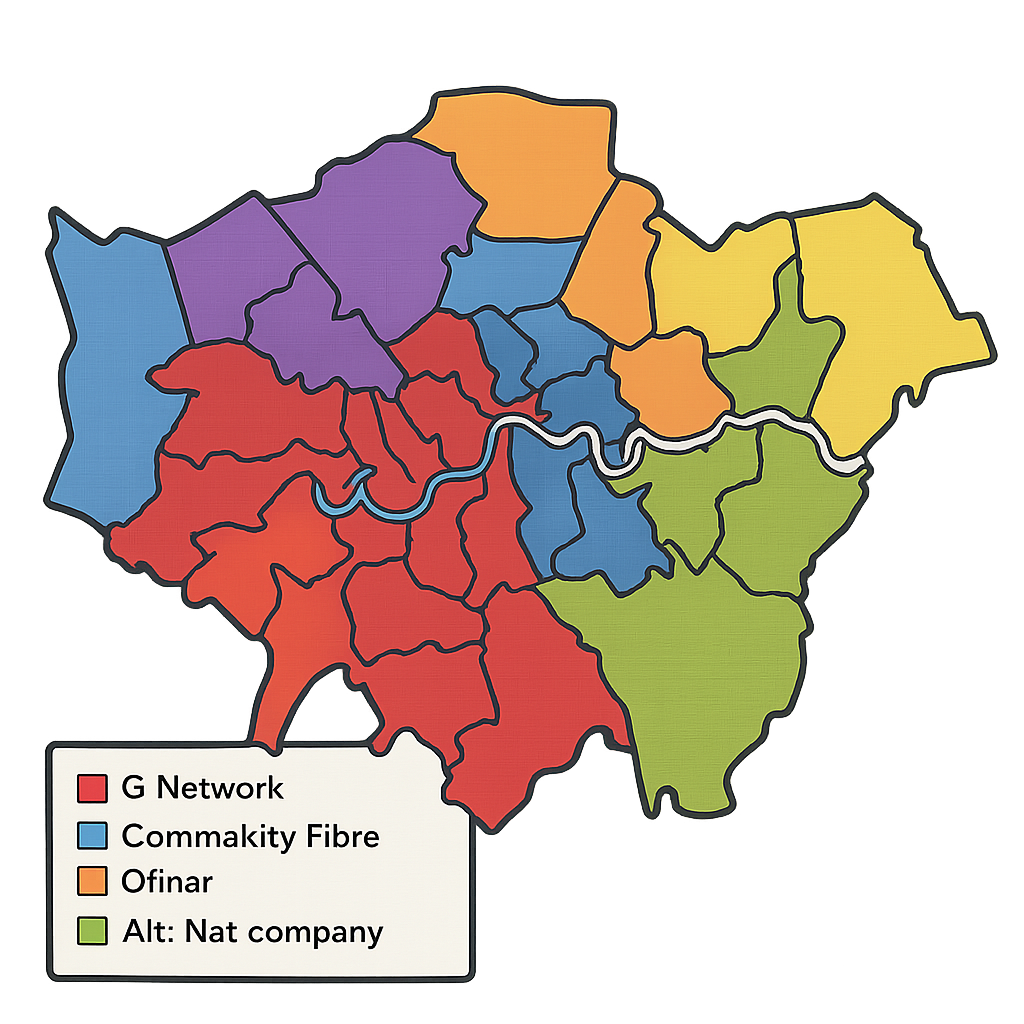
Most Londoners assume they must choose between BT or Sky, but a hidden revolution is happening underneath our pavements. If you’re doing a quick broadband comparison london, you’ll see why independent fibre often ranks higher for stability. While big names share aging national infrastructure, London boasts exclusive independent networks called Alt-Nets. They install Full Fibre (FTTP)—Fibre to the Premises—bringing a direct glass cable into your living room for maximum stability. People constantly ask, are independent altnets better than Openreach? Yes, because they are built purely for modern internet demands rather than relying on repurposed copper telephone lines. For many households, that makes them contenders for best isp status in the capital.
Looking closely at Virgin Media vs G.Network performance, the difference in evening reliability becomes painfully obvious. Traditional networks suffer from traffic jams when your entire street logs on at 8 PM. By entirely bypassing congested legacy infrastructure, Alt-Nets provide their own dedicated “pipes.” This physical independence means no more unexpected Zoom dropouts and speeds that actually match what was promised on the box—a key reason many rate them among the best isp london options.
Customer satisfaction heavily favours these local challengers for Best Broadband Provider London. Scanning Community Fibre vs Hyperoptic reviews reveals significantly higher Trustpilot ratings than the national giants achieve. This praise stems largely from their standard offering of symmetrical speeds. Unlike older providers, your upload capability matches your fast download speed, allowing you to send massive work files without instantly freezing your flatmate’s connection.
Sadly, you cannot simply demand these independent packages. These specialised networks expand street by street, meaning a Victorian terrace might enjoy ultra-fast broadband while the new-build opposite misses out. Knowing exactly which cables reach your front door is essential before making a choice, and navigating this postcode lottery requires careful availability checks.
Winning the Postcode Lottery: How to Check Real Fibre Availability in Your Borough
Finding reliable internet starts with understanding London’s digital divide. To learn how to check fibre availability by postcode, use a full fibre broadband coverage map London. These tools reveal if your street has Gigabit-capable network infrastructure—the specific physical cables necessary for ultra-fast speeds that keep whole families seamlessly streaming. While boroughs like Wandsworth currently lead this rollout, availability still changes block by block.
Never sign a new lease without conducting a digital survey to protect your remote work setup. Follow this simple pre-move checklist:
- Enter the exact flat’s postcode into an independent checker or a broadband comparison london tool.
- Verify if “FTTP” (Fibre to the Premises) is offered.
- Spot physical fibre wall sockets during property viewings.
- Ask current tenants about their real-world speeds.
- Search for independent Alt-Nets operating in that borough.
Spotting cables outside rarely guarantees easy access, particularly when facing broadband installation problems in listed buildings or mansion blocks. Renters frequently encounter Wayleave agreements—legal permissions required from freeholders to drill holes for new cables—which instantly halt installations if left unsigned. Once you navigate these physical hurdles and secure landlord approval, protecting yourself against hidden financial traps becomes the next priority. After confirming availability, shortlist london broadband deals that match your address and budget.
Avoid the ‘April Trap’: Managing Contracts, Price Hikes, and Social Tariffs
Securing the best London broadband deals requires looking beyond the introductory price to calculate your true two-year cost. Many providers quietly include CPI-linked price rises in their terms, meaning your bill automatically jumps every April based on inflation. If you are flat-sharing or uncertain about your lease, avoid these rigid commitments by opting for rolling, short-term broadband contracts for renters. These monthly agreements offer crucial flexibility and protect you from hefty exit fees when your living situation changes—vital when comparing london broadband deals side by side. This approach also makes it easier to end up with the best broadband london uk without surprise hikes.
Relief exists for households receiving Universal Credit or Pension Credit, though millions miss out because these discounted plans are rarely advertised. These dedicated support packages lock in a fixed, low monthly price without surprise spring increases or steep activation charges. To find the cheapest social tariffs for Londoners, consider these three standout options for Best Broadband Provider London:
- Community Fibre: Offers a £12.50/month essential package across many boroughs without requiring credit checks.
- Hyperoptic: Provides a £15/month rolling connection, perfect for tenants in modern apartment blocks.
- BT Home Essentials: Delivers reliable coverage starting at £15/month, ensuring older terraced properties stay connected.
Taking control of your billing is just the start, but what if traditional cables simply cannot reach your living room? If fixed lines aren’t possible through your isp internet provider, or you need Wi-Fi the exact day you pick up your keys, 5G connections offer a reliable alternative.
5G Home Internet: The Secret Weapon for Basement Flats and Fast Moves
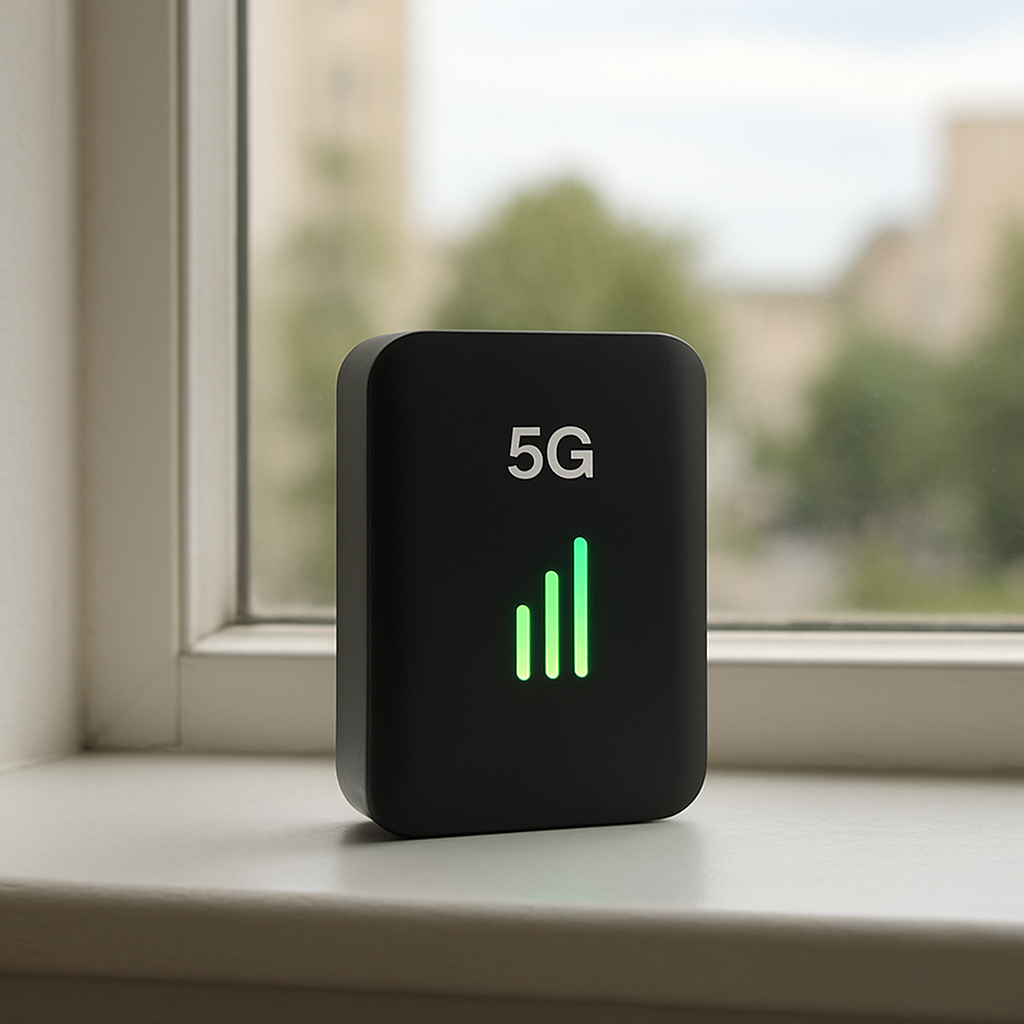
Moving into a new flat shouldn’t mean waiting weeks for an engineer. If landlords ban drilling, 5G home internet (also known as Fixed Wireless Access) is your instant fix. Using mobile masts instead of underground cables, this plug-and-play box effortlessly rivals the fastest internet speeds in Central London.
However, this wireless convenience brings a slight connection delay, called latency or “ping.” While physical cables give a stable, direct route for data, 5G signals bounce through the air. You won’t notice this streaming Netflix, but if you need flawless Zoom calls or are exploring low latency gaming providers UK capital-wide, a traditional wired connection is better.
Always check a local mobile network map to see if your specific street has strong reception first. If you get great signal, it is incredibly easy to adopt the reliable 5G home internet alternatives London offers. With local availability confirmed and connection type selected, you can proceed confidently with your switch—and still access some of the best broadband london uk where fibre is limited.
Your 2026 Switching Blueprint: Secure Better Internet in 3 Steps
Finding the right connection used to feel like a frustrating guessing game. Now, you can confidently look past the marketing hype to choose a provider that perfectly balances London availability with your actual speed needs. You are ready to secure the best ISP London has to offer, future-proofing your home against the next 24 months of mid-contract price fluctuations. If you prefer a local champion, shortlist candidates for best isp london based on real availability and service levels.
To execute a seamless switch without losing service for a single day, follow this switching broadband providers guide for beginners:
- Check: Find your exact contract end date to avoid early exit penalties.
- Compare: Run your postcode through an independent checker to find exclusive hyper-local networks, and perform a quick broadband comparison london.
- Confirm: Book your new installation date a few days before cancelling your old service to guarantee overlap.
Securing the most reliable broadband uk networks can supply protects you from dreaded annual bill shocks. Checking your current contract end date today is the most effective first step toward a more stable, cost-effective connection.
Frequently Asked Questions
Question: Why does broadband quality vary so much by street in London? Short answer: Because your connection depends on the specific physical network that reaches your address. London runs on a patchwork of “Big Pipes” (Openreach infrastructure used by BT, Sky and other national ISPs) and “Special Pipes” from Alternative Networks (Alt-Nets) like Community Fibre, G.Network, and Hyperoptic. If an Alt-Net’s dedicated full-fibre line reaches your building, you can often get faster, more reliable service; if not, you’ll be on Openreach-based options. Building factors (e.g., wayleaves in mansion blocks or listed properties) also affect what can be installed. Always check availability at your exact postcode—and consider 5G home internet as a fallback if drilling isn’t allowed or you need instant setup.
Question: How do I choose the right speed—and why do upload speeds matter so much?
Don’t pay for headline gigabit plans you won’t fully use, especially since many providers throttle speeds during busy evenings. Prioritise FTTP with symmetrical upload for stable video calls and sharing large files. Match speed to real household needs:
- The Solo Scroller (30–50 Mbps): One person streaming and browsing.
- The WFH Duo (100–150 Mbps): Two people on simultaneous calls/streams.
- The Gamer (300–500 Mbps): Big downloads without disrupting others.
- The Smart Home (900+ Mbps): Large families with 4K TVs and many devices. If your Zoom freezes, the bottleneck is often upload. Ask if symmetrical packages are available at your address.
Question: Are Alt-Nets like Community Fibre and G.Network really better than BT, Sky, or Virgin Media?
In many London postcodes, yes—when available. Alt-Nets build modern Full Fibre (FTTP) that bypasses older, congested infrastructure, delivering speeds that more closely match what’s advertised, especially during peak evening hours. They commonly offer symmetrical uploads and earn stronger customer reviews (e.g., Community Fibre vs Hyperoptic vs the nationals on Trustpilot). The catch: coverage is street-by-street, so you can’t assume availability—even opposite buildings can differ.
Question: How can I confirm real FTTP availability and avoid installation delays?
Do a focused, address-level check and inspect the property:
- Run your exact flat’s postcode through independent checkers or comparison tools.
- Verify the product explicitly says “FTTP” (Fibre to the Premises).
- Look for fibre wall sockets during viewings.
- Ask current tenants about real-world speeds.
- Search for Alt-Nets (Community Fibre, G.Network, Hyperoptic) active in that borough. Seeing external cables doesn’t guarantee access—Wayleave permissions from freeholders can halt installs in mansion blocks and listed buildings. Secure landlord/freeholder approval early to prevent delays. If fixed-line fibre isn’t viable, consider 5G home internet for immediate setup.
Question: How do I avoid mid-contract price hikes—and are there social tariffs I can use?
Check terms for CPI-linked rises that hit bills every April, and calculate the true two-year cost rather than just the intro price. If your housing situation may change, pick rolling, short-term contracts to dodge exit fees. If you receive Universal Credit or Pension Credit, look at social tariffs that cap costs without spring hikes or heavy fees:
- Community Fibre: ~£12.50/month essentials, often no credit checks.
- Hyperoptic: ~£15/month rolling—great for modern flats.
- BT Home Essentials: from ~£15/month with broad availability. These can dramatically lower costs while keeping you connected.
Related links
See how Broadband Freedom can help you, click here to check your postcode