

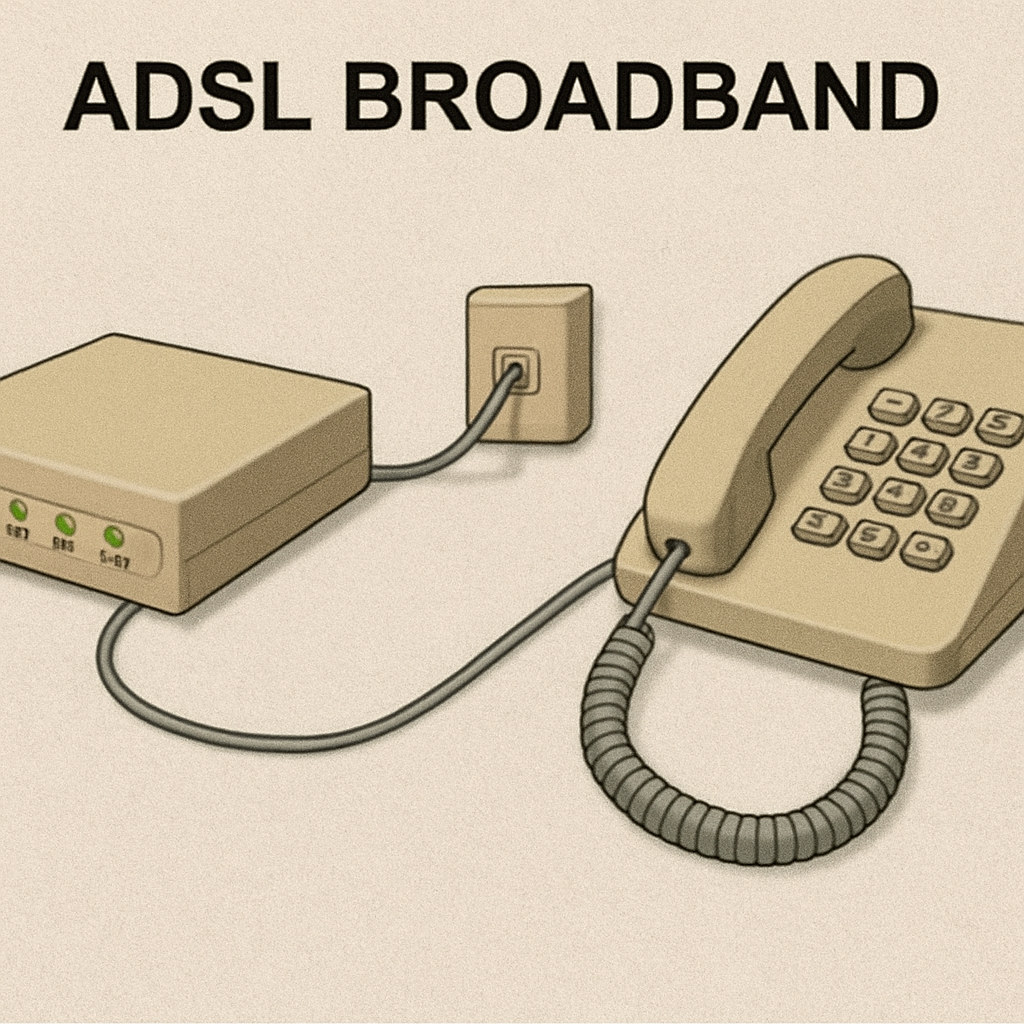
Estimated reading time: 12 minutes
Key Points
- ADSL Broadband and Internet Connection uses existing telephone lines, making it widely available and cost-effective, especially in rural areas.
- ADSL is suitable for light to moderate users, offering speeds typically between 8 Mbps and 24 Mbps, ideal for browsing and standard-definition streaming.
- When choosing an ADSL provider, consider aspects such as price, customer support quality, contract terms, and additional services offered.
- Comparison tools can help find the best ADSL broadband deals, focusing on features like monthly costs, data limits, and installation fees.
- For the best deal, look for promotions, evaluate your internet needs, and read customer reviews for reliable service.
Contents – ADSL Broadband and Internet Connection
- What is ADSL Broadband and Internet Connection
- How Does ADSL Work in the UK?
- Who is ADSL Broadband and Internet Connection For?
- ADSL vs Other UK Broadband Options
- Key Factors When Comparing ADSL Broadband and Internet Connection Providers
- Understanding ADSL Speeds and Performance
- Popular ADSL Broadband Providers in the UK
- How to Compare ADSL Broadband Deals
- Tips for Getting the Best ADSL Broadband Deal
- Frequently Asked Questions About ADSL Broadband
- Conclusion: Is ADSL Right for You?
- Frequently Asked Questions
Choosing the right ADSL broadband provider in the UK can be a daunting task. With so many UK broadband options and uk internet services available, it’s important to understand ADSL broadband and internet connection in the UK: what it is, how it works, and who it’s for.
ADSL, or Asymmetric Digital Subscriber Line, uses existing telephone lines to deliver internet services. This makes it widely available, especially in rural areas where other options might be limited.
ADSL is often more affordable than fibre-optic broadband, making it a popular choice for those on a budget, especially when comparing uk broadband deals. It is suitable for light to moderate internet users who primarily browse, email, and stream in standard definition.
However, ADSL speeds can vary, with typical adsl speed uk figures ranging from 8 Mbps to 24 Mbps. The quality of service can also be affected by the distance from the telephone exchange.
When choosing a provider, consider factors like contract length, data caps, and customer service. Tools for broadband comparison uk can help you find adsl broadband deals uk and the best-value offers in your area.
What is ADSL Broadband and Internet Connection
ADSL stands for Asymmetric Digital Subscriber Line. It’s a type of broadband connection that uses existing copper telephone lines to deliver internet services. This technology is accessible in many parts of the UK, especially where fibre-optic services are not yet available.
ADSL provides internet service by utilising the excess capacity of telephone lines. It separates voice and data signals, allowing you to use the internet and phone simultaneously. This technology ensures users enjoy both services without interference. Many providers include ADSL within broader broadband plans uk that can be bundled with calls or TV.
ADSL offers different download and upload speeds, which is why it’s termed “asymmetric.” Typically, download speeds are faster than upload speeds. This is perfect for everyday activities like browsing and streaming.
Here are some key features of ADSL broadband:
- Utilises existing telephone lines
- Offers asymmetric speeds
- Ideal for light to medium internet users
This type of broadband is suitable for households that do not require high-speed connections. It’s also cost-effective compared to other broadband options, making it a preferred choice for many in the UK.
How Does ADSL Work in the UK?
ADSL technology is fascinating for how it delivers internet across long distances. It works by using the existing copper telephone lines, which most homes already have. This utilisation makes ADSL widely accessible, even in remote areas.
In the UK, ADSL operates by splitting your telephone line into two channels. One channel is for voice calls, while the other transmits digital data. This separation ensures that talking and surfing the web simultaneously is hassle-free.
The performance of ADSL Broadband and Internet Connection depends on several factors. Key among these is the distance from your home to the telephone exchange. The further you are, the slower the speed you might experience.
Here are some influencing factors on ADSL performance:
- Distance from the telephone exchange
- Quality of telephone lines
- Network congestion
- Home wiring condition
Furthermore, installation is straightforward, often requiring only a compatible router. This simplicity makes it a popular choice for many UK residents. ADSL is efficient, delivering reliable internet, especially for light to moderate users.
Who is ADSL Broadband and Internet Connection For?
ADSL broadband caters to specific needs and is not for everyone. It is perfect for individuals or households with moderate internet usage. Those who don’t demand high-speed connections may find ADSL ideal.
This type of broadband suits users focused on simple online tasks. Browsing the web, checking emails, and streaming standard definition videos are well within its capacity.
It is also an economical choice for those prioritising cost over speed.
ADSL is especially suitable for people living in rural areas. With limited internet options available, ADSL often serves as the most practical choice. Additionally, it’s a reliable solution for those who value straightforward installation and widespread availability. If cost is your priority, compare offers to find the best adsl broadband provider uk for your needs.
Key characteristics of ADSL Broadband and Internet Connection users include:
- Individuals with moderate internet needs
- Residents in areas lacking fibre-optic infrastructure
- People looking for affordable internet services
- Users prioritising cost savings over internet speed
ADSL vs Other UK Broadband Options
When choosing broadband, understanding the differences is crucial. ADSL is a popular option due to its affordability and availability. It uses existing telephone lines, making it accessible to many UK households among broader UK broadband options.
In contrast, fibre-optic broadband offers higher speeds. This is ideal for heavy internet users or large households.
However, it might come at a higher cost and is less available in rural areas.
Cable broadband serves as another alternative. It provides reliable speeds through coaxial cables. Yet, it is usually more expensive than ADSL Broadband and Internet Connection and may not be available everywhere.
Mobile broadband adds another layer of flexibility. Using 4G or 5G networks, it can be accessed on the go. But, signal coverage and potential data limits can be concerns.
When evaluating broadband options, consider:
- Installation and equipment needs
- Speed requirements and usage
- Availability in your area
- Cost and contract terms
Each broadband type has its merits. Choosing depends on your internet needs, location, and budget.
Key Factors When Comparing ADSL Broadband and Internet Connection Providers
When selecting an ADSL provider, several factors warrant consideration. Each provider offers distinct features and benefits that can influence your decision. This is especially true when comparing adsl providers uk with different coverage and pricing.
Price is a significant factor for many. Compare monthly fees, installation charges, and any equipment costs. Look out for hidden charges that might elevate the overall expense.
Speed offerings should align with your internet activities. While ADSL speeds in the UK typically range from 8 Mbps to 24 Mbps, some providers may offer variations.
The quality of customer support is also crucial. Good customer service ensures problems are resolved quickly, reducing downtime. Research reviews and ratings for insights into support experiences.
Check for additional services. Some providers bundle TV or phone services, which can save money. Evaluate whether these added features suit your needs and how they fit into broader broadband plans uk.
Contract terms vary widely. Consider the length of commitment required and any penalties for early termination. Look for providers with no-contract or short-term options if flexibility is essential.
Reliability and coverage should not be overlooked. Ensure the provider has a strong reputation for uptime and check service availability in your area through coverage maps.
When evaluating, focus on the following lists:
Basic Provider Comparison Checklist
- Monthly and annual costs
- Installation and equipment fees
- Available speed packages
Advanced Provider Evaluation Criteria
- Customer service reviews
- Contract length and flexibility
- Bundled service options
Being thorough in comparison aids in finding a provider that meets your needs and budget.
Understanding ADSL Speeds and Performance
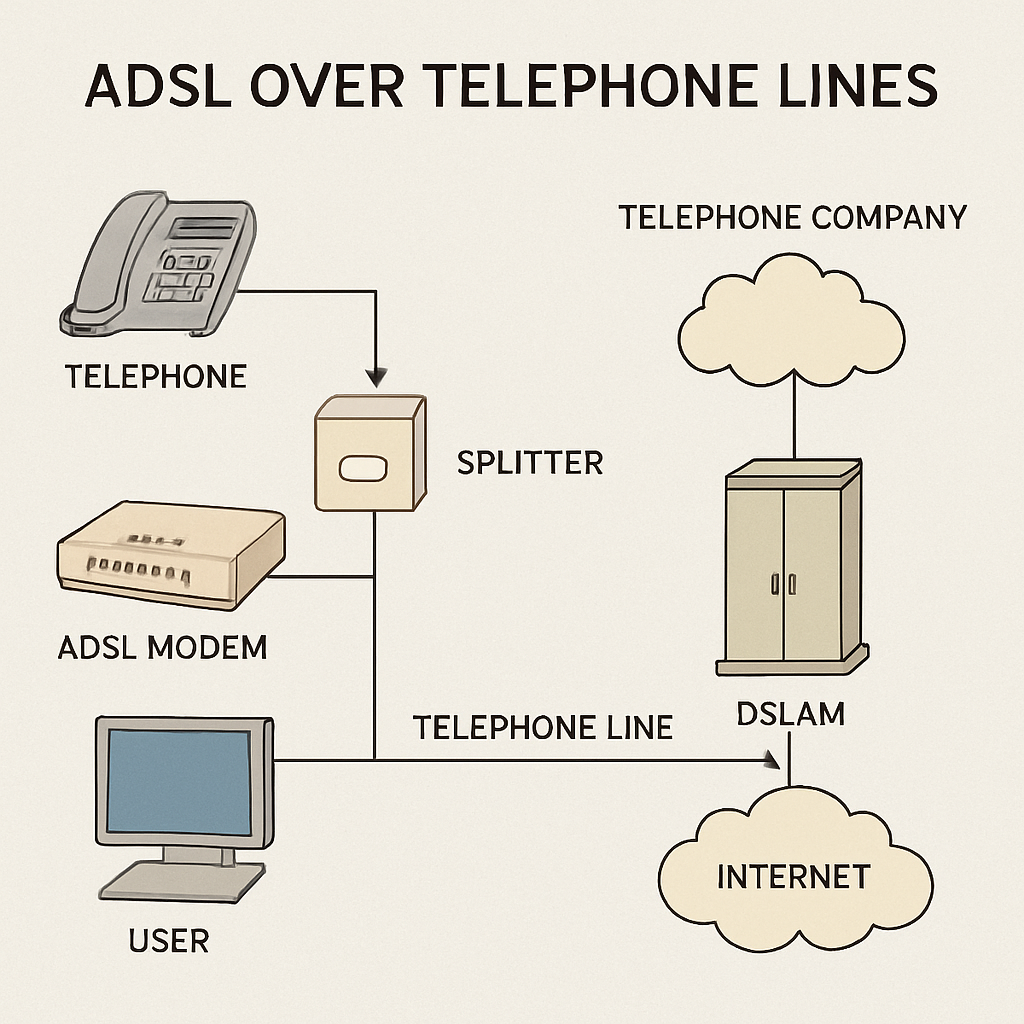
ADSL broadband speeds can greatly influence your internet experience. Speeds commonly range from 8 Mbps to 24 Mbps in the UK. This bandwidth is sufficient for general browsing and streaming.
The distance from the telephone exchange significantly impacts speed. The further away you are, the slower the connection might be. Those closer to the exchange enjoy better speeds.
ADSL speeds are ideal for households with moderate internet usage. Families using the internet for emailing or streaming in standard definition find ADSL suitable. However, heavy users may experience challenges.
When evaluating ADSL performance, consider the following:
- Distance to exchange: Key factor affecting speed.
- Usage needs: Assess your household’s internet activities.
- Environmental factors: Weather can occasionally impact reliability.
Understanding these speed-related factors helps tailor ADSL solutions to your specific needs, balancing efficiency with cost.
Popular ADSL Broadband Providers in the UK
The UK hosts a variety of ADSL providers, each with unique offers. Leading names like BT, TalkTalk, and Plusnet dominate the market. They offer reliable packages for various customer needs.
BT is known for its extensive network and quality service.
They often include landline rentals within their packages. This makes it a convenient option for many households.
TalkTalk stands out with its affordable ADSL broadband deals. Their plans are cost-effective, ideal for budget-conscious users. They also offer enticing introductory discounts for new customers.
Plusnet is renowned for excellent customer support and competitive prices. Their straightforward plans attract those seeking simple solutions without hidden fees. User satisfaction scores are generally high.
Here are some top adsl broadband providers uk users consider:
- BT: Extensive network, includes landline rentals
- TalkTalk: Budget-friendly plans, great discounts
- Plusnet: Reliable support, transparent pricing
When choosing a provider, consider factors such as coverage, customer support, and overall cost. Each provider offers distinct benefits that may suit different preferences.
How to Compare ADSL Broadband Deals
Choosing the best ADSL broadband deal can be overwhelming. Start by identifying your internet needs and budget constraints. Understanding these can streamline your comparison process significantly.
Begin by listing essential deal features. Assess these aspects when comparing:
- Monthly cost
- Included data limits
- Extra charges (e.g., installation fees)
Make use of online tools for a broadband comparison in the UK. You can also use broadband comparison uk sites to surface current promotions. These resources offer insights into the most current deals and discounts, helping narrow down optimal choices, including adsl broadband deals uk.
Consider promotions and introductory offers which can reduce costs initially. However, always review the terms after the promotion ends. Knowing long-term pricing ensures better decision-making.
Additionally, evaluate customer reviews and support services. Reliable customer care can make a significant difference when issues arise. Good ratings often indicate trustworthy service.
Here’s a quick comparison checklist:
- Contract length
- Customer support availability
- Promotion period terms
Use the checklist to find deals aligning with your priorities. Assess all aspects to ensure you get value for money. Balancing cost and service quality is key.
Tips for Getting the Best ADSL Broadband Deal
Finding a great ADSL broadband deal in the UK involves strategy. Start by timing your purchase during promotional periods. Many providers offer discounts during holidays or at the end of the financial year.
Negotiating with providers can yield significant savings. Don’t hesitate to ask for better rates or added perks. Providers often have retention offers for new subscribers.
Prioritise deals that align with your usage and budget. Consider the following aspects:
- Introductory discounts
- Bundling options with TV/phone
- Flexibility in contracts
Look out for uk broadband deals that combine savings with solid service levels rather than simply selecting the cheapest option. Read customer reviews to gauge reliability. A well-informed choice ensures satisfaction and long-term savings.
Frequently Asked Questions About ADSL Broadband
Many people often wonder about ADSL broadband. One common question is about its availability. Is it accessible across the entire UK, including rural areas?
Another question often arises about ADSL speeds. People ask if these speeds are sufficient for their online activities.
Here’s a quick list to clear up frequent queries:
- What is ADSL suitable for?
- How reliable is ADSL service?
- Are there any data usage limits?
Understanding these aspects helps potential users choose ADSL with confidence. By resolving common queries, decision-making becomes easier.
Conclusion: Is ADSL Right for You?
ADSL broadband can be an excellent choice for those valuing cost-efficiency over speed. If your internet needs are moderate, such as browsing and streaming in standard definition, ADSL suits well.
Evaluate your internet usage carefully. If it aligns with ADSL capabilities, you could benefit from its widespread availability and lower prices. Make an informed choice for your needs.
Frequently Asked Questions
Question: What is ADSL broadband and how does it work?
ADSL (Asymmetric Digital Subscriber Line) delivers internet over existing copper telephone lines. It splits the line into two channels—one for voice and one for data—so you can use the phone and internet at the same time. Speeds are “asymmetric,” meaning downloads are faster than uploads, which suits everyday tasks like browsing and standard-definition streaming. Installation is typically simple and often just requires a compatible router.
Question: Who is ADSL best suited for, and is it fast enough for streaming or gaming?
ADSL is ideal for light to moderate users—people who mainly browse, email, and stream in standard definition. Typical UK speeds range from about 8 Mbps to 24 Mbps. That’s generally fine for SD streaming and basic online activity, but heavy users, large households, HD/4K streaming, or bandwidth-intensive gaming may find it limiting.
Question: What factors affect ADSL speed and reliability?
The biggest factor is your distance from the telephone exchange—the farther you are, the slower your connection is likely to be. Other influences include the quality of the telephone lines, network congestion at busy times, and the condition of your home wiring. Occasionally, environmental conditions can also impact reliability.
Question: How does ADSL compare to fibre, cable, and mobile broadband in the UK?
ADSL is widely available and usually more affordable, especially in rural areas, but it’s slower than fibre. Fibre offers much higher speeds for heavy users or big households, though it can cost more and may be less available outside towns and cities. Cable broadband provides reliable speeds via coaxial cables but isn’t everywhere and often costs more than ADSL. Mobile broadband (4G/5G) is flexible and portable but can be limited by signal coverage and data caps.
Question: What should I look for when comparing ADSL providers and deals?
Focus on overall value and fit for your usage. Compare monthly price, installation/equipment fees, any data caps, and the speeds on offer. Check contract length, early-exit fees, and customer service ratings. Consider bundles (phone/TV) if useful, and weigh promo discounts against the price after the offer ends. Finally, verify availability and coverage in your area using provider coverage maps or UK broadband comparison tools.
Related links
See how Broadband Freedom can help you: compare broadband deals available at your postcode.