
Estimated reading time: 10 minutes
Summary – Broadband coverage map
Broadband availability in the UK varies widely by location, so using coverage maps, postcode checkers, and comparison tools is key to finding the best service. In particular, a broadband internet coverage map (sometimes shown as a Broadband Map UK) can quickly highlight what’s available when you’re checking “internet in my area.” This guide explains the main connection types (ADSL, fibre FTTC/FTTP, cable, satellite), how to read and leverage fibre coverage maps, and how to compare providers on speed, reliability, and cost. It also outlines practical steps for using coverage maps effectively and improving in-home WiFi performance. With these insights, you can plan upgrades and make informed choices about the best internet option in your area.
Table of contents
- Summary – Broadband coverage map
- Understanding Broadband Coverage in the UK
- Importance of Knowing Internet Availability in Your Area
- Overview of Broadband Internet Options
- Exploring the UK Fibre Broadband Coverage Map: What You Need to Know
- How to Use the Broadband Coverage Map Effectively
- Understanding WiFi Coverage and Its Impact on Connectivity
- Comparing Cable and Fibre Options in Your Area
- Tools and Resources for Finding Internet in My Area
- Full Fibre Broadband Coverage Map: Benefits and Limitations
- Conclusion: Making Informed Decisions About Your Internet
Understanding Broadband Coverage in the UK
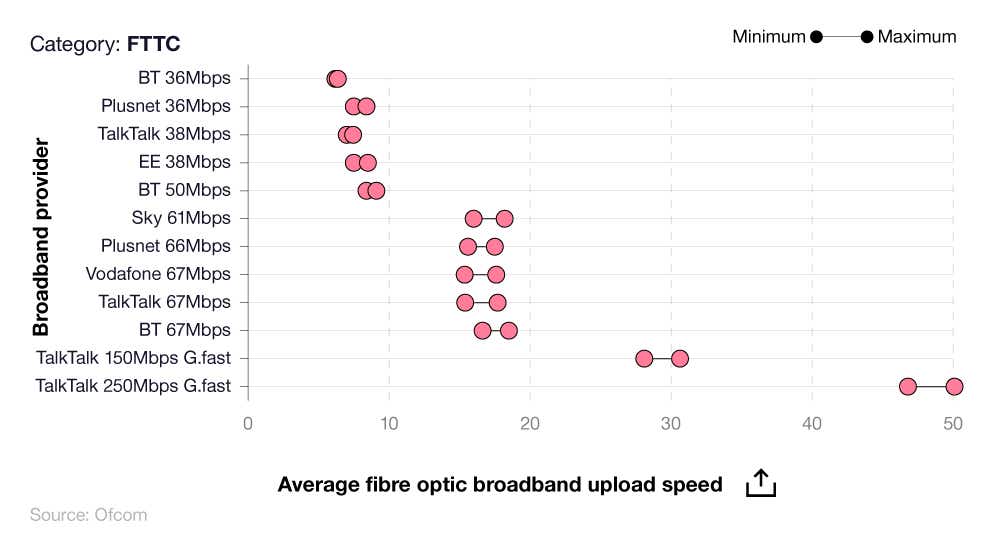
Image Source: Uswitch
Navigating the vast landscape of broadband coverage in the UK can be challenging, yet it is crucial for ensuring that you receive the best possible internet service. The availability of broadband varies significantly depending on your location, affecting your choices and the quality of service you can expect. It’s essential to understand how broadband coverage works, especially with the increasing reliance on internet connectivity for everyday activities.
In the UK, broadband coverage is influenced by various factors such as population density, infrastructure development, and geographical challenges. Urban areas tend to have better coverage compared to rural regions, where the infrastructure might not be as developed. Knowing the specifics of your area can help you make informed decisions regarding your internet service provider (ISP) and the type of connection that suits your needs. Many people start with a broadband coverage map or broadband map to visualise nearby networks and available technologies.
To better understand your options, it’s beneficial to explore the broadband internet coverage map. This tool provides a visual representation of internet availability, helping you identify areas with strong connectivity and those that might be underserved. This knowledge empowers you to choose the right plan, ensuring you have reliable internet access for both personal and professional use.
Importance of Knowing Internet Availability in Your Area
Internet availability plays a significant role in determining the quality and speed of the connection you can expect. It’s not just about having access to the internet, but also about the type of service available, which can range from basic ADSL to ultrafast fibre connections. Knowing the internet availability in your area is critical for selecting a plan that meets your specific needs.
Understanding internet availability helps you avoid the frustration of slow speeds or frequent disconnections. By knowing what options are on offer, you can ensure that your connection supports activities such as streaming, gaming, or working from home without interruption. Moreover, being aware of the latest developments in broadband infrastructure can alert you to new opportunities to upgrade your service as technology advances.
Additionally, being informed about internet availability in your area can impact property decisions. For instance, if you’re planning to move, knowing the broadband options available can influence your choice of neighbourhood, especially if a reliable internet connection is a priority for your lifestyle or work requirements. If you routinely search for “internet in my area,” availability pages and maps help align expectations with what local networks can actually deliver.
Overview of Broadband Internet Options
When exploring broadband options in the UK, it’s important to understand the different types of connections available. Each has its own advantages and disadvantages, affecting factors like speed, reliability, and cost. The main types of broadband connections include ADSL, fibre, cable, and satellite.
- ADSL (Asymmetric Digital Subscriber Line): Utilising the existing telephone line infrastructure, ADSL is widely available throughout the UK. However, it generally offers slower speeds compared to fibre and cable options, making it less suitable for high-demand users.
- Fibre Broadband: Known for its high speeds and reliability, fibre broadband is becoming increasingly popular. It can be delivered via Fibre to the Cabinet (FTTC) or Fibre to the Premises (FTTP), with FTTP offering superior speeds as it connects directly to the home.
- Cable Broadband: Delivered through coaxial cables, this option is typically available in areas serviced by providers like Virgin Media. Cable broadband offers fast speeds and is a strong alternative to fibre in locations where fibre infrastructure is not available.
- Satellite Broadband: This is a viable option for rural areas where other types of broadband are not available. Although satellite broadband can provide internet access almost anywhere, it often comes with higher latency and data limits.
Choosing the right broadband option depends on your specific needs, including speed requirements, budget, and the availability of services in your location. A thorough understanding of these options will enable you to select a plan that aligns with your expectations.
Exploring the UK Fibre Broadband Coverage Map: What You Need to Know
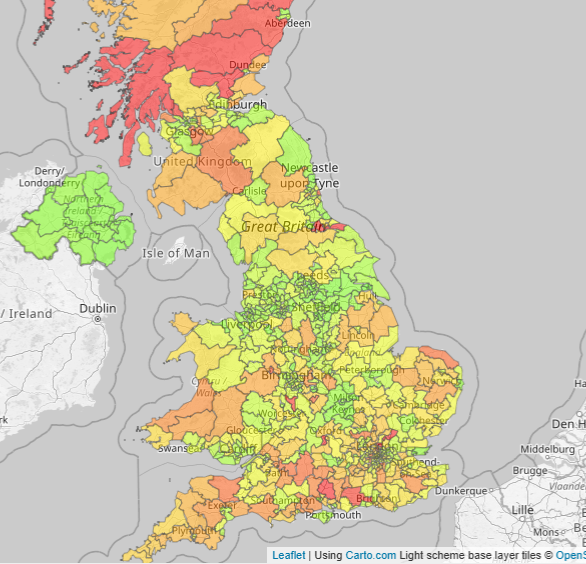
The UK fibre map is a valuable resource for anyone looking to understand the extent of fibre broadband availability, often referred to as the uk fibre map in search tools. It provides a comprehensive overview of where fibre infrastructure is currently installed, helping consumers and businesses make informed decisions about their internet service.
The fibre map highlights areas with existing fibre connections and those scheduled for future upgrades. This information is crucial if you are planning to switch to fibre broadband, as it can guide you in selecting a service provider that offers the coverage you need. Some providers also publish a full fibre coverage map to show live FTTP availability and build plans. Additionally, the map can indicate emerging areas where fibre deployment is underway, allowing you to anticipate upcoming service improvements.
Using the UK fibre map can also assist in comparing different ISPs’ offerings in terms of speed and reliability. By examining the map, you can identify which providers have the best coverage in your area, ensuring you choose a service that delivers the performance you require.
How to Use the Broadband Coverage Map Effectively
The broadband coverage map is a powerful tool for assessing internet options in your area. On many sites, a Broadband Map UK or provider-specific broadband map lets you enter your location for a detailed view. To use it effectively, start by entering your postcode or address to get a detailed view of available services. The map will showcase different types of broadband connections, including ADSL, cable, and fibre, along with their respective coverage areas.
Once you have a clear picture of the available services, compare the offerings from various providers. Look for information on speeds, reliability, and pricing to determine which package best fits your needs. It’s also beneficial to check for customer reviews and ratings, as these can provide insights into the quality of service and customer support.
Lastly, keep an eye out for any planned infrastructure upgrades in your area. The broadband coverage map often includes information on future developments, which can help you plan for potential service improvements or changes in your broadband provider. Staying informed about these updates ensures that you can take advantage of new opportunities to enhance your internet experience.
Understanding WiFi Coverage and Its Impact on Connectivity
While broadband coverage is vital, WiFi coverage within your home or office is equally important for ensuring a seamless internet experience. WiFi coverage (sometimes written as wifi coverage) refers to the range and quality of the wireless signal distributed by your router, which can significantly impact connectivity and speed.
Factors affecting WiFi coverage include the placement of the router, physical obstructions like walls and furniture, and interference from other electronic devices. To optimise WiFi coverage, consider placing your router in a central location, away from potential sources of interference. Additionally, using WiFi extenders or mesh systems can help eliminate dead zones, ensuring consistent connectivity throughout your space. You can also assess your wifi coverage on each floor using your device’s signal indicator or a simple analyser app.
Improving WiFi coverage can lead to a more reliable internet connection, supporting activities such as streaming, video conferencing, and online gaming. By addressing any coverage issues, you can maximise the performance of your broadband service, ensuring it meets your expectations and requirements.
Comparing Cable and Fibre Options in Your Area
When selecting an internet service, it’s essential to compare cable and fibre options available in your area. Both offer high-speed internet access, but they differ in terms of infrastructure, speed potential, and reliability.
Fibre Broadband: Offers superior speeds, especially with FTTP connections. It provides a more consistent performance due to its use of fibre-optic cables, which are less susceptible to environmental interference. However, fibre availability can be limited in some areas, particularly in rural regions.
Cable Broadband: Generally available in urban and suburban areas, cable broadband delivers fast internet through coaxial cables. While it can offer competitive speeds, it may not match the top speeds of full fibre connections. Cable broadband can be a more accessible option than fibre, depending on the local infrastructure. Postcode tools can also verify cable in my area if you’re considering providers like Virgin Media.
Evaluate both options based on your specific needs, considering factors such as speed requirements, budget, and service availability. By understanding the strengths and limitations of each, you can make an informed choice that ensures a reliable and efficient internet connection.
Tools and Resources for Finding Internet in My Area
Several tools and resources can assist you in finding the best internet options in your area. These platforms provide valuable insights into broadband availability, helping you make informed decisions about your internet service provider.
- Broadband Coverage Maps: Websites like Ofcom and independent providers offer broadband maps that display the availability of various connection types across the UK. Look for a Broadband Map UK view, or a simple broadband map overlay, to see technologies and speeds at a glance.
- Comparison Websites: On the Broadband Freedom website, you can compare different ISPs based on price, speed, and customer reviews. These tools can help you identify the best deals and promotions available in your address.
- ISP Websites: Visiting the websites of major ISPs such as BT, Sky, and Virgin Media can provide detailed information on their offerings, including coverage maps and package details. These sites often include postcode checkers to confirm service availability.
Utilising these tools and resources can streamline your search for the ideal internet service, ensuring you find a plan that meets your needs and budget.
Full Fibre Broadband Coverage Map: Benefits and Limitations
The full fibre coverage map is an essential resource for understanding the extent of fibre broadband availability, but it also comes with certain limitations. This map provides detailed information about areas where full fibre connections are available, making it easier to identify locations with access to ultrafast broadband.
Benefits:
- Detailed Information: Offers a comprehensive view of fibre availability across the UK.
- Future Planning: Helps users anticipate upcoming infrastructure developments and potential service upgrades.
- Comparison Tool: Assists in evaluating different providers’ coverage, supporting informed decision-making.
Limitations:
- Accuracy: Coverage maps may not always be up-to-date, as network expansions and upgrades are ongoing.
- Availability Gaps: Some rural or remote areas might still lack full fibre access, limiting options for residents in those regions.
- Provider Variability: Different ISPs may have varying levels of coverage, which can affect the reliability and speed of service in certain areas.
When used alongside a standard broadband map, the full fibre coverage map helps you see both current and upcoming options more clearly.
Conclusion: Making Informed Decisions About Your Internet
Choosing the right internet service in the UK requires a thorough understanding of broadband coverage, fibre availability, and the various options available. By using tools such as broadband maps and comparison websites, you can gain valuable insights into the services offered in your area, allowing you to select a plan that aligns with your needs.
Remember to consider factors such as speed, reliability, and cost when evaluating your options. Additionally, staying informed about infrastructure developments and potential upgrades can help you anticipate changes and take advantage of new opportunities for improved connectivity.
In conclusion, making informed decisions about your internet service ensures you have a reliable and efficient connection, supporting your online activities and enhancing your overall digital experience.
Ready to find the best internet service in your area? Use the broadband coverage map today to explore your options and make an informed decision that suits your needs. Stay connected with confidence and enjoy seamless online experiences.
Related links
See how Broadband Freedom can help you, click here to check your postcode