

Estimated reading time: 11 minutes
Takeaways
- 100mbps broadband provides a reliable and fast internet connection for homes and businesses, supporting multiple devices simultaneously.
- It delivers significant benefits, including HD streaming, seamless online gaming, and efficient cloud computing for work tasks.
- Factors like connection type and network congestion can impact the actual speed experienced by users.
- Regular speed tests help verify if your internet service provider delivers promised speeds, and it can assist in troubleshooting issues.
- When selecting a 100mbps broadband plan, consider data caps, customer support, and contract terms for optimal satisfaction.
Contents
- Understanding 100Mbps Broadband: An Overview
- What is 100 Mbps Internet Speed?
- Benefits of 100Mbps Broadband for Home and Business
- How to Measure Your Broadband Speed: The Importance of a Speed Test
- Factors Affecting Your 100Mbps Internet Speed
- Comparing 100Mbps Broadband Plans: What to Look For
- Common Misconceptions About 100Mbps Broadband
- Upgrading to 100Mbps: Is It Worth It?
- Troubleshooting Slow Internet: Tips for Maximising Your 100Mbps Connection
- Conclusion: Making the Most of Your 100Mbps Broadband Experience
- Q&A
Understanding 100Mbps Broadband: An Overview

Image Source: The Cloudflare Blog
In today’s digital age, a reliable and speedy internet connection is not just a luxury but a necessity. Many homes and businesses are choosing 100Mbps broadband. It is often referred to as 100mbps broadband.
This speed tier balances performance and cost. A good option for users who need more internet speed.
When we discuss 100Mbps broadband, we mean the download speed. It is the rate that data moves from the internet to your device. This speed can support many users and devices at the same time. This matters because most homes have many connected gadgets, like smart TVs, tablets, and smartphones.
However, understanding the full potential of 100Mbps broadband requires a deeper dive. A fast connection isn’t the only thing that matters; it’s how that speed can transform your internet experience. From streaming HD videos to smooth video calls, 100Mbps can be the sweet spot. It works well for homes and businesses.
What is 100 Mbps Internet Speed?
To understand 100 Mbps internet speed (often written as 100 mbps), you need to know what this number means. Mbps stands for Megabits per second, and it measures the bandwidth of your internet connection. Essentially, it shows how much data can move each second.
100 Mbps means 100 million bits of data every second.
With 100 Mbps, you can perform a variety of online activities with ease. Streaming services such as Netflix or Amazon Prime can deliver HD or even 4K content without buffering. Moreover, online gaming feels seamless, with lower latency and faster download times for updates or new content.
Despite its capabilities, it’s important to note that the actual speed you experience can vary. Factors like your connection type (fibre, DSL, or cable), network congestion, and the time of day can affect internet speed. Nevertheless, on paper, 100 Mbps is robust enough to meet the demands of most internet users today.
Benefits of 100Mbps Broadband for Home and Business
The benefits of 100Mbps broadband extend far beyond just fast downloads and uploads. For homes, this speed tier means that multiple family members can enjoy their online activities without interruption.
Imagine streaming a movie in one room. Someone else runs a video call in another room. It all works without a hitch.
Businesses, too, can reap significant advantages from 100Mbps internet speed. For small to medium businesses, this speed enables efficient cloud computing, fast file transfers, and clear VoIP communication. It can also support the critical functions of remote work, which has become increasingly prevalent.
Furthermore, 100Mbps broadband can future-proof your internet needs. As technology improves, data-heavy apps are becoming more common.
A reliable, fast connection helps you stay competitive. It also keeps you connected. Investing in this connection can give you peace of mind. It helps you manage today’s and tomorrow’s digital needs.
How to Measure Your Broadband Speed: The Importance of a Speed Test
To ensure you’re getting the most out of your 100Mbps broadband , it’s vital to regularly measure your internet speed. A broadband speed test is a simple yet effective tool to assess your connection’s performance. These tests provide real-time data on both download and upload speeds, latency, and more.
Conducting a speed test is straightforward. Numerous online platforms offer this service for free. By running a test, you can verify if your service provider is delivering the promised speeds. Also a handy tool for troubleshooting any noticeable slowdown in your internet connection, helping you pinpoint potential issues.
Understanding how to interpret the results is equally important. If your speed test often shows much lower speeds than you pay for, contact your provider. You may also want to upgrade your plan.
Additionally, run tests at different times of day. This gives a clearer picture of your internet performance under different conditions.
Factors Affecting Your 100Mbps Internet Speed
While 100Mbps broadband aims to give fast, reliable internet, many factors can affect your actual speed. One major factor is the type of connection. Fibre-optic connections usually offer more consistent speeds than DSL or cable. DSL or cable may slow down during peak usage times.
Network congestion is another common issue. During busy times, like evenings or weekends, speeds may drop as more users go online and share bandwidth. To mitigate this, some providers offer priority service options or dedicated lines for business users.
Lastly, the performance of your own devices can impact internet speed. Older routers or old firmware can cause slowdowns. This can stop you from getting the full speed of your 100 Mbps connection. Regularly updating your equipment and ensuring it supports the latest standards can help optimise your internet experience.
Comparing 100Mbps Broadband Plans: What to Look For
When choosing a 100Mbps broadband plan, it’s crucial to consider several factors beyond just the advertised speed. Price is an obvious consideration, but don’t overlook other elements that can significantly affect your satisfaction with the service.
- Data Caps: Some providers impose limits on the amount of data you can use each month. If you exceed these caps, you may face additional charges or throttled speeds. Opt for a plan with unlimited data if your household or business has high data usage.
- Customer Support: Reliable customer service is invaluable, especially if you encounter issues. Look for providers with a strong reputation for resolving problems promptly and effectively.
- Contract Terms: Be aware of the length of the contract and any penalties for early termination. Some plans offer discounts for longer commitments. But flexibility may be worth the extra cost if your needs change.
Comparing these aspects will help you find a plan that meets your speed needs and fits your budget. It should also match your usage habits. Some ISPs brand nearby tiers such as m125 broadband; if you need a bit more headroom, compare those options, too. If you don’t need a landline or TV, think about wifi-only plans. They can help you save money while still giving you good internet service.
Common Misconceptions About 100Mbps Broadband
Despite its popularity, there are several misconceptions about 100Mbps broadband that often lead to confusion. One of the most common myths is that higher speed always equates to better performance. While faster speeds can improve your online activities, you should consider your needs. Ask if 100 Mbps is really necessary.
Another misconception is that 100 Mbps is a one-size-fits-all solution. In reality, the ideal speed varies depending on your usage patterns. A single user who mainly browses the web may not need a high-speed connection. A large family or a business with heavy data needs would benefit a lot.
Lastly, many believe that upgrading to 100 Mbps will instantly resolve all internet issues. While it can improve performance, other factors like network congestion, hardware limitations, and provider reliability play crucial roles. Understanding these nuances will help you make an informed decision about upgrading your internet service.
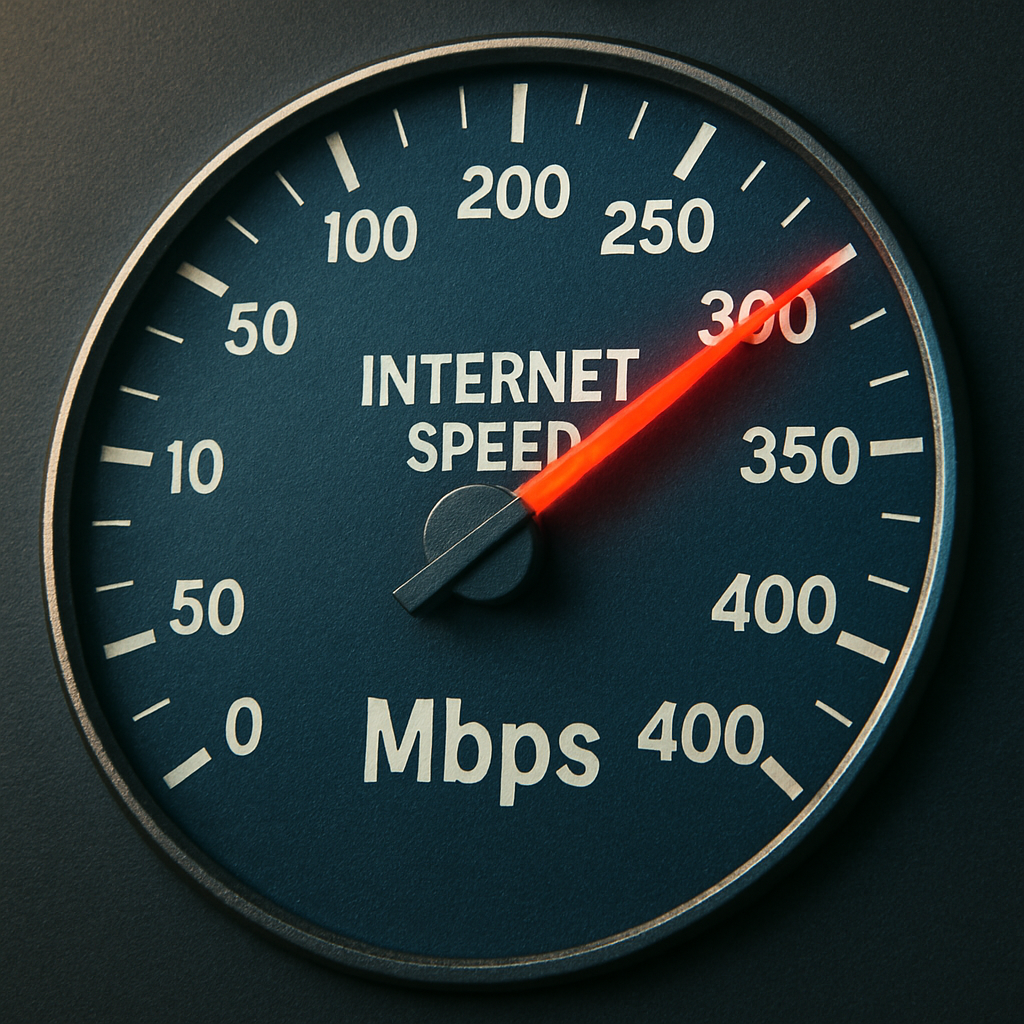
Upgrading to 100Mbps: Is It Worth It?
Deciding whether to upgrade to 100Mbps broadband involves evaluating both current and future internet needs. If your home or business often slows down when many users are online, an upgrade may help. If you are starting data-heavy tasks like streaming or online gaming, it may help too.
Consider your current internet usage. If you often max out your current bandwidth, upgrading to 100 Mbps can add more capacity. It can support your activities without interruptions. Additionally, as more smart devices enter the market, having sufficient bandwidth will become increasingly important.
However, if your current plan adequately meets your needs, it might be worth holding off on an upgrade. Assess your needs and compare them to the cost of a faster connection. This will help you decide if 100 Mbps is right for you.
Troubleshooting Slow Internet: Tips for Maximising Your 100Mbps Connection
Even with a 100Mbps broadband plan, you may occasionally encounter slow internet speeds. When this happens, there are several troubleshooting steps you can take to maximise your connection’s potential.
- Check Your Equipment: Make sure your router is in a central spot, clear of obstructions, and running the latest firmware. Consider upgrading to a dual-band router to minimise interference.
- Limit Bandwidth-Heavy Activities: During peak hours, try to stagger bandwidth-intensive activities like large downloads or streaming. This can prevent network congestion and maintain optimal speeds.
- Secure Your Network: Unauthorised users can access an unsecured Wi‑Fi network, which can slow your speeds. Use strong passwords and enable WPA3 encryption to protect your connection.
By implementing these strategies, you can enhance your internet performance and enjoy a smoother online experience.
Conclusion: Making the Most of Your 100Mbps Broadband Experience
In conclusion, 100Mbps broadband is a strong choice for home and business users. It offers a good balance of speed and cost. By understanding the capabilities and limitations of this internet speed, you can make informed decisions about your internet service.
Regularly measure your broadband speed. Compare different plans.
Troubleshoot any issues. This helps you get the most from your connection. As technology evolves, staying informed and adaptable will help you navigate the digital landscape effectively.
If you’re considering a new internet plan or an upgrade, take time to assess your needs. Explore the available options. A well-chosen broadband plan can improve your online experience. It gives the speed and reliability needed in today’s connected world.
Call to Action
If you’re ready to try 100Mbps broadband, start with a speed test today. See how your current speed compares using a quick broadband speed test. Whether you’re upgrading or choosing a new plan, stay informed.
It is your first step toward a seamless internet experience. Share your thoughts and experiences with us in the comments below, and let’s keep the conversation going!
Q&A
100 Mbps (100 megabits per second) measures how much data your connection can download each second. At this speed, most homes can watch HD or 4K videos, play games online, and browse the internet on different devices at the same time without any problems. For small to medium businesses, it works well with cloud apps, quick file transfers, clear VoIP calls, and remote work. It provides a good mix of performance and cost.
Why might my 100 Mbps plan feel slow sometimes?
Real‑world speeds vary due to several factors. The type of connection you have is important. Fiber internet is usually more reliable than DSL or cable. Also, during busy times, the internet can slow down for everyone.
Your own setup also plays a role – older routers, outdated firmware, or poor placement can bottleneck performance. When many devices share the connection, each gets a slice of the available bandwidth, which can make things feel slower.
How should I test my internet speed, and what do the results mean?
Use a reputable online broadband speed test to check download, upload, and latency in real time.( Run tests at different times of day to see how congestion affects your service.
If your results are often worse than what you pay for, check the data to find the problem. Then, reach out to your provider or think about changing your plan if necessary.
Besides price, what should I compare in 100 Mbps broadband plans?
Brief Response: Consider data caps to prevent hitting limits if you use substantial data. Evaluate customer support for prompt and efficient problem-solving. Review contract terms, including duration, early termination fees, and if discounts require long-term commitments.
Match these factors to your budget and usage habits for the best fit.
Look at nearby options like m125 broadband for more speed. Also, see if wifi-only packages could save you money if you don’t need TV or a landline.
How can I troubleshoot and maximize a 100 Mbps connection?
To improve your Wi-Fi, start with the router. Place it in the center of your home. Remove anything that might block the signal. Also, keep the router’s software updated. Using a dual-band router can help reduce interference.
During peak hours, stagger bandwidth‑heavy tasks like large downloads or streaming. Secure your Wi‑Fi with strong passwords and WPA3 to prevent unauthorized use that can slow your network.
Related links
See how Broadband Freedom can help you, click here to check your postcode