

Estimated reading time: 12 minutes
Summary
- 1 Gig internet delivers download and upload speeds up to 1 gigabit per second, ideal for streaming, gaming, and multitasking across multiple devices.
- Fiber-optic technology underpins 1 Gig internet, offering superior speed, reliability, and efficiency compared to traditional copper cables.
- 1 Gig internet virtually eliminates buffering and supports high-definition content streaming without interruptions, enhancing user experience.
- Investing in 1 Gig internet prepares homes for future technological advancements, accommodating increasing bandwidth demands from smart devices and applications.
- Choosing the right ISP and compatible equipment is crucial for maximizing the benefits of a 1 Gig internet connection.
Table of contents
Why do I need 1 Gig of Internet
In today’s digital world, fast and reliable internet is not a luxury—it’s a necessity. A good internet connection is important for streaming shows, working from home, and using smart devices. It can really help your experience.
One option that many people are considering is 1 Gig internet, often delivered through fiber internet. But what exactly does this mean, and why might you need it? Let’s delve into the world of high-speed internet to understand these questions.
Summary: 1 Gig internet delivers speeds up to 1 gigabit per second, most commonly over fiber-optic networks that use light to provide fast, reliable, low-latency connections. It enables smooth 4K streaming, online gaming, crystal-clear video conferencing, and simultaneous use across many devices, often with symmetrical upload and download speeds that benefit remote work and content creation.
While not essential for everyone, it’s ideal for larger households, small businesses, and heavy data users, helps future-proof your home, and requires choosing a capable ISP and compatible gigabit equipment.
Fibre Optic internet
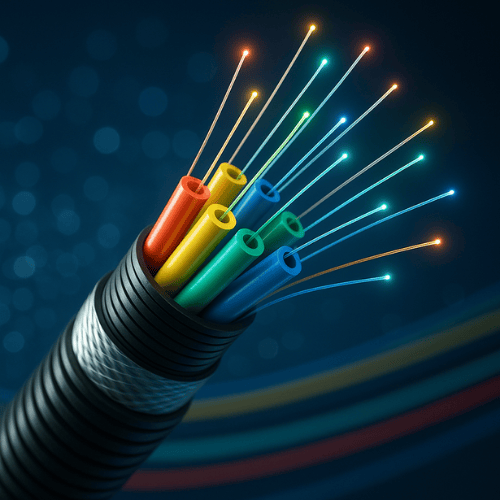
Fibre internet is a type of broadband connection that uses fibre-optic cables, which are capable of transmitting data at exceptionally high speeds. Unlike traditional copper wires used in DSL or cable connections, fibre-optic cables are made of thin strands of glass or plastic that carry data as light signals. This allows for much faster data transmission over longer distances without degrading the quality of the connection.
How fibre optic it works
Fibre-optic technology works by sending pulses of light through the fibre strands. This light travels in a pattern of internal reflection, bouncing off the walls of the cable, which allows the data to move rapidly from one end to the other. This method of data transmission is incredibly efficient and reliable, making fibre internet one of the fastest and most stable internet options available today.
The light pulses in fibre-optic cables represent binary data, which is the foundational language of computers. Each pulse corresponds to a bit of data, and the rapid transmission of these pulses allows for the high-speed internet that users experience. Furthermore, fiber-optic cables are less susceptible to interference from electrical signals, ensuring a cleaner and more stable connection.
Fibre Optic vs Cables
Compared to traditional copper cables, fiber-optic cables offer a significant improvement in both speed and reliability. Copper cables transmit data through electrical signals, which can degrade over long distances. In contrast, fiber-optic cables maintain the integrity of data transmission across vast distances without loss of speed or quality. This makes fiber-optic technology particularly advantageous for users requiring consistent high-speed access.
Fiber-optic cables are also more durable and resistant to environmental factors such as temperature fluctuations and electromagnetic interference. This durability reduces the likelihood of outages or slowdowns, making fiber a preferred choice for internet service providers (ISPs) aiming to deliver reliable service to their customers. Additionally, fiber cables are more future-proof, capable of supporting even higher speeds as technology advances.
Energy Efficiency of Fibre Optic
From an environmental standpoint, fiber-optic technology is more energy-efficient than copper-based systems. The reduced need for electrical amplification translates to lower energy consumption, which is beneficial for both ISPs and the environment. Economically, while the initial installation of fiber-optic infrastructure can be costly, the long-term benefits and reduced maintenance costs make it a financially sound investment.
Fiber-optic networks require fewer physical resources and maintenance efforts, leading to operational savings for ISPs. These savings can be passed on to consumers in the form of competitive pricing for high-speed internet plans. As more places switch to fiber-optic internet, the cost of service should go down. This will help more people get high-speed internet.
1 Gig Connection Speed
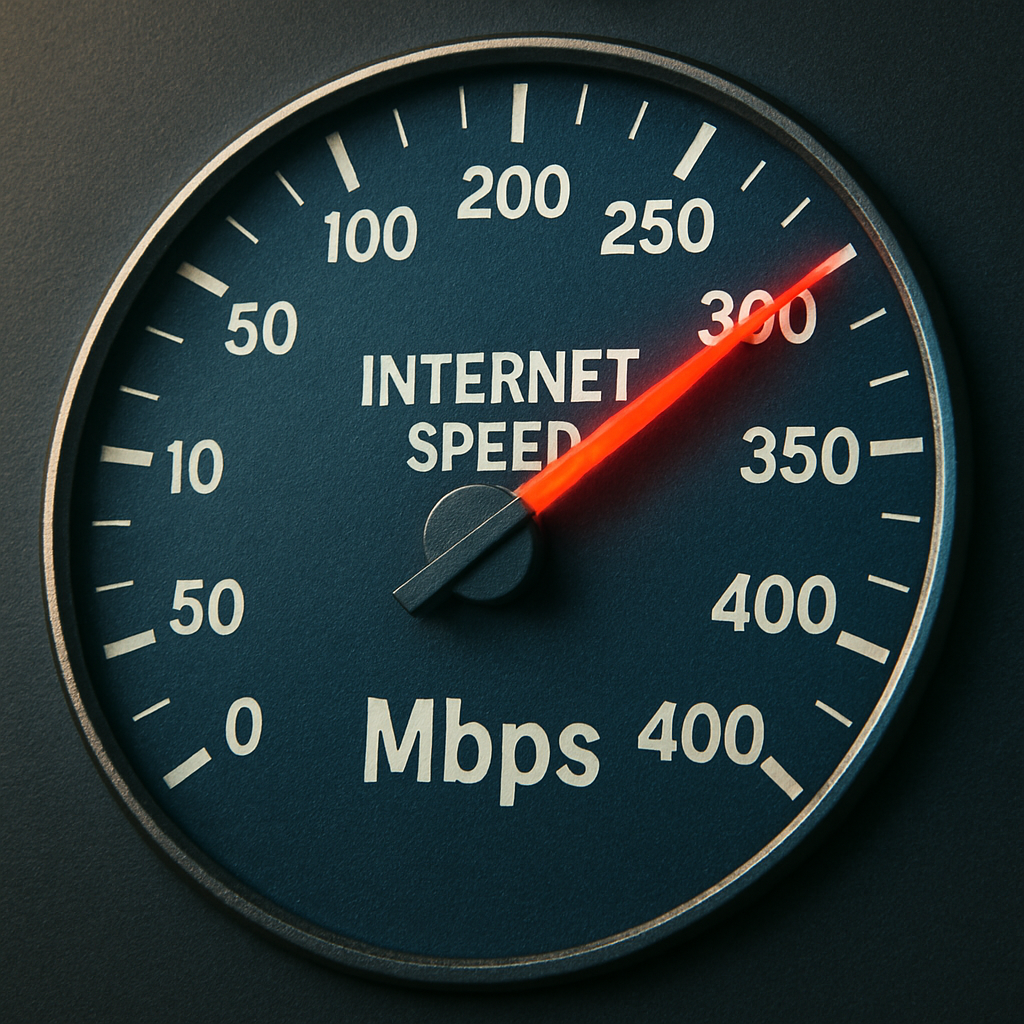
When we talk about 1 Gig internet, we’re referring to an internet connection that can handle download and upload speeds of up to 1 gigabit per second (Gbps). To put this into perspective, 1 gigabit equals 1,000 megabits. This means that a 1 Gig connection is capable of transferring data at speeds up to 1,000 Mbps.
To understand how fast 1 Gig really is, consider that a typical DSL connection might offer speeds around 10 to 25 Mbps, while cable internet might range from 25 to 200 Mbps. With 1 Gig internet, you’re looking at speeds that can be 5 to 40 times faster than the average broadband connection.
Download Speed
Such speeds enable users to download large files in seconds and stream high-definition content without buffering. For instance, downloading a high-definition movie might take several hours on a slower connection but can be done in minutes with 1 Gig speeds. This level of performance is especially beneficial for applications requiring high data throughput, such as virtual reality and augmented reality experiences.
While speed is a crucial factor, latency and bandwidth are equally important in evaluating an internet connection. Latency refers to the time it takes for data to travel from the source to its destination, while bandwidth is the maximum data capacity of the connection. 1 Gig internet offers low latency, making it ideal for real-time applications like online gaming and video conferencing.
Using Multiple Devices
With 1 Gig internet, users experience minimal delays, enhancing the quality of interactive and time-sensitive online activities. Additionally, the high bandwidth ensures that multiple devices can operate simultaneously without impacting each other’s performance. This is particularly important in households or offices with numerous connected devices, as it allows for seamless multitasking and an uninterrupted experience for all users.
Upload Speed
An often-overlooked aspect of internet speed is upload speed, which is crucial for activities such as video conferencing, live streaming, and uploading large files. Many traditional broadband plans offer significantly lower upload speeds compared to download speeds, leading to bottlenecks during data-intensive tasks. 1 Gig internet typically provides symmetrical speeds, meaning upload and download rates are equal, addressing this common limitation.
For users who frequently engage in activities that require high upload speeds, such as content creators and remote workers, 1 Gig internet eliminates the frustration of slow uploads. This symmetry in speed enhances productivity and ensures that users can efficiently share large files or stream content in real-time without disruption.
1 Gig Benefits
Having a 1 Gig internet connection offers numerous advantages, especially as our daily activities increasingly rely on internet connectivity. Here are some key benefits to consider:
- With 1 Gig internet, buffering becomes a thing of the past. You can stream high-definition (HD) or even 4K videos on multiple devices simultaneously without any lag. For gamers, a fast and stable connection means reduced latency, which can make a big difference in competitive gaming environments.
- The enhanced speed supports multiple users streaming content at the same time, allowing families to enjoy their favorite shows without interruptions. Gamers benefit from faster response times and smoother gameplay, reducing the risk of lag-induced errors during critical moments in competitive matches. This improvement in user experience makes high-speed internet a valuable asset in entertainment-focused households.
- In a world where remote work is becoming more prevalent, a fast internet connection is crucial. With 1 Gig internet, video conferencing, file sharing, and cloud-based applications run smoothly, allowing you to be more productive without the frustration of slow internet speeds.
Reliable high-speed internet ensures that remote workers can access and share information quickly, helping collaboration and productivity. Video calls are clear and uninterrupted, and large files are uploaded and downloaded in seconds, streamlining work processes. This reliability is essential for maintaining professional standards and meeting deadlines in a remote work setting.
Multiple devices
In modern households, it’s common to have numerous devices connected to the internet at the same time. Smartphones, tablets, smart TVs, laptops, and smart home devices all require bandwidth. A 1 Gig connection can handle multiple devices with ease, ensuring everyone in your household has a seamless online experience.
The capability to support several connected devices simultaneously makes 1 Gig internet ideal for tech-savvy homes. Whether it’s streaming, gaming, or browsing, every user can enjoy a fast connection without compromising performance. This ensures that everyone, from children to adults, can engage in their preferred online activities without contention for bandwidth.
Evolving Technology and 1 Gig
As technology continues to evolve, the demand for higher internet speeds will only increase. By opting for 1 Gig internet now, you’re essentially future-proofing your home to accommodate new technologies and higher bandwidth requirements.
Investing in 1 Gig internet prepares households for the inevitable rise in bandwidth consumption driven by emerging technologies such as smart home ecosystems, virtual reality, and augmented reality. As these technologies become more mainstream, having a robust internet connection will ensure compatibility and optimal performance, securing your home network’s relevance in the future digital landscape.
Why 1 Gig is beneficial
While 1 Gig internet might seem like overkill for some, there are specific scenarios where it becomes highly beneficial:
- If you live in a large household or shared living space, multiple people might be using the internet at the same time. Whether it’s for streaming, gaming, or working, 1 Gig internet ensures everyone can do what they need without slowing down the connection for others.
- In homes with several residents, internet traffic can quickly become congested, leading to slowdowns and frustration. A 1 Gig connection alleviates this by providing ample bandwidth for all users, ensuring consistent and reliable performance. This is particularly important in shared living situations, where diverse online activities occur simultaneously.
Working from home
For those running a business from home or managing a small office, a fast and reliable internet connection is essential. With 1 Gig internet, you can ensure smooth operation of business-critical applications and maintain clear communication with clients and team members.
High-speed internet supports efficient business operations by enabling quick access to cloud-based software, seamless video conferencing, and rapid data transfers. This level of connectivity is crucial for maintaining competitiveness and ensuring that business activities run smoothly without technological hindrances.
Individuals who work in media production, such as video editors or graphic designers, often need to upload and download large files. A 1 Gig connection significantly reduces the time required to transfer these files, increasing productivity and efficiency.
For content creators, the ability to quickly upload high-definition video content or large graphic files is invaluable. Fast internet speeds enhance workflow efficiency, allowing media professionals to focus on creativity rather than waiting on slow upload processes. This increased productivity can lead to more timely project completion and enhanced client satisfaction.

How to upgrade to 1 Gig
If you’re interested in upgrading to 1 Gig internet, the first step is to check if it’s available in your area. Many internet service providers (ISPs) now offer fiber internet plans with 1 Gig speeds, but availability can vary by location.
When selecting an ISP, consider factors such as customer service, reliability, and pricing. It’s also important to read reviews and potentially seek recommendations from friends or family who have experience with the provider.
Research ISP and Providers
Taking time to research and compare different ISPs can help you find a provider that meets your specific needs and budget. Look for ISPs with a proven track record of delivering consistent high-speed service and responsive customer support. Additionally, consider any bundled services or promotional offers that could enhance the value of your internet package.
Once you’ve chosen an ISP, they’ll typically handle the installation process, which may involve running fiber-optic cables to your home. You’ll also need a compatible modem and router to support the high speeds. Many ISPs offer equipment rentals, but purchasing your own can be a long-term cost-saving option.
Have the right equipment
Having the right equipment is crucial for maximizing the benefits of 1 Gig internet. Ensure that your modem and router are capable of handling gigabit speeds and that your network setup is optimized for performance. Investing in high-quality networking equipment can enhance your internet experience and provide better coverage throughout your home.
As with any technology, there may be times when you encounter issues with your internet connection. Choose an ISP that offers comprehensive support, including troubleshooting resources and technical assistance. This support can be vital in quickly resolving any connectivity issues and ensuring that you enjoy uninterrupted service.
Troubleshooting
Familiarize yourself with the troubleshooting tools and resources provided by your ISP, such as online support guides or customer service hotlines. Additionally, maintaining a proactive approach to network maintenance, such as regular firmware updates for your router, can help prevent potential issues and keep your connection running smoothly.
Conclusion
1 Gig internet represents a significant leap in internet speed and reliability, offering benefits that can transform how you use the internet daily. Whether it’s for streaming, gaming, working remotely, or connecting multiple devices, a 1 Gig connection can provide the performance you need. As our reliance on technology continues to grow, having a fast and dependable internet connection will become increasingly important, making 1 Gig internet a wise investment for the future.
By understanding what 1 Gig internet is and why it might be necessary for your lifestyle, you can make informed decisions about your internet needs and enjoy a seamless online experience. Adopting this high-speed connection not only enhances your current digital activities but also prepares your home for future technological advancements, ensuring that you remain at the forefront of the digital age.
Related links
See how Broadband Freedom can help you, click here to check your postcode