BT and EE out-of-contract price increases explained
Estimated reading time: 7 minutes
Summary
- The out-of-contract price increase happens when your BT or EE contract ends, switching you to a more expensive rolling plan.
- You can avoid this price hike by negotiating for a better deal or switching to a cheaper provider.
- Ofcom requires providers to notify customers about price increases 10-40 days before the contract ends.
- To manage the increase, follow a 3-step plan: find your contract end date, research better prices, and call your provider to negotiate.
- Haggling can often result in substantial savings, making it a preferable first option before switching providers.
Table of contents
- Out-of-Contract Summary
- The ‘Out-of-Contract’ Price Increase Trap: What It Is and Why It Happens
- Your Rights: What BT and EE MUST Tell You Before Your Price Goes Up
- The 3 Simple Choices You Have to Beat the Price Hike
- How to Haggle With BT or EE and Cut Your Bill in 15 Minutes
- When to Switch: Finding a Cheaper Deal is Easier Than You Think
- Your 3-Step Action Plan to Lower Your Bill Today
Opened your latest BT or EE bill and got a nasty surprise? If your monthly payment has suddenly jumped up, you’re not alone. It’s the usual out-of-contract price increase when your contract ends.
This is a common move companies use when your original deal is over. It explains why your BT bill is much higher now.
When promotional terms end, many customers will see price increases from BT and EE. This means you will start paying higher rates.
This BT price increase is designed to get your attention. Now that your discount period is over, you have been moved onto a much more expensive rolling plan.
The good news is that you have the power now. Both companies want to keep you as a customer. They would rather offer you a new, cheaper deal than lose you.
This guide shows you how to deal with the BT and EE price hikes. You can negotiate or switch plans, which could save you a lot of money each year.
Out-of-Contract Summary
Ofcom says that companies must send you a notice before your contract ends. This notice should come 10 to 40 days before your contract expires. It will tell you the end date, the new price, and the best offers available.
When your BT or EE contract ends, you’re moved to a pricier rolling plan designed to prompt action. Ofcom requires providers to send an end-of-contract notice 10–40 days before expiry, outlining your end date, new price, and best available offers. You can avoid the price increase by negotiating for a better deal or changing to a less expensive provider. Switching is easy and can save you a lot of money.
Follow the 3-step plan: check your end date, compare prices, and call to negotiate or switch to save potentially hundreds per year.
The ‘Out-of-Contract’ Price Increase Trap: What It Is and Why It Happens
When you first sign up for broadband or a new phone, you get a good price for a set period—usually 18 or 24 months. Once that time is up, you’re considered ‘out-of-contract’. It’s like a welcome discount that ends. After that, you will automatically be switched to the provider’s regular, more expensive monthly plan.
This price hike isn’t random; it’s a deliberate business strategy. The higher charges are a powerful nudge for you to call them and sign a new fixed-term deal. They know most people want to avoid paying the higher rate, so the price jump is designed to get you to take action. They will often send you price increase alerts.
While the larger bill is frustrating, being out of contract puts you in a powerful position. You are no longer stuck. This means you can negotiate a better deal or change providers without any charges.
Your Rights: What BT and EE MUST Tell You Before Your Price Goes Up
Thankfully, you won’t be caught completely off-guard by this price jump. Ofcom, the UK’s communications regulator, has rules about “end-of-contract notifications.” These rules require providers to inform you ahead of time.
BT or EE will alert you by email or letter. You should receive this alert 10 to 40 days before your current deal ends. This notice is to inform you about a price increase. It will show your contract’s end date, the new higher price you will pay after it ends, and the best offers available from the company.
This warning is the best time to upgrade a BT contract. Receiving this alert is your green light for avoiding the EE end of contract price rise.
When your deal ends, you can switch providers or negotiate a new plan. You won’t have to pay any penalty fees. This puts you firmly in control.

The 3 Simple Choices You Have to Beat the Price Hike
With your old contract finished, you have clear alternatives to accepting that higher price. Your decision boils down to three simple options:
- Haggle: Call BT or EE and ask for a better price, like one of their loyalty deals.
- Switch: Move to a new provider offering a cheaper new customer offer.
- Do nothing: Accept the price hike, which is always the most expensive route.
The quickest way to save money is often by haggling. This is especially helpful if you’re facing a BT price hike.
How to Haggle With BT or EE and Cut Your Bill in 15 Minutes
The secret to a successful haggle begins before you pick up the phone. Spend five minutes on a price comparison website to see what new customers are paying competitors for a similar service. This information is your most powerful negotiating tool, as knowing a rival offers your package for £15 less gives you a clear, reasonable target.
When you call, calmly explain that your contract has ended, your bill has become too expensive on the out-of-contract price increase, and you’ve seen better deals elsewhere. Then, use the polite but firm phrase: “I’ve been a loyal customer for a while, but I’m calling to give my notice and cancel my service.” This signals you are serious about leaving and unlocks the door to the best deals.
This request will almost always get you transferred to the “customer retentions” team—think of them as the ‘we don’t want to lose you’ squad. Their job is to persuade customers to stay, which means they have the power to offer significant loyalty discounts and new contracts that regular agents can’t. This is where you want to be to negotiate a new EE or BT contract as an existing customer.
With your research in hand, state the competitor price you found and ask if they can match it. More often than not, they will present a new offer that dramatically lowers your bill. However, if their best price still doesn’t feel right, don’t feel pressured. Sometimes, the best loyalty deal simply can’t beat a new customer offer from a rival, which is when it’s time to switch.
When to Switch: Finding a Cheaper Deal is Easier Than You Think
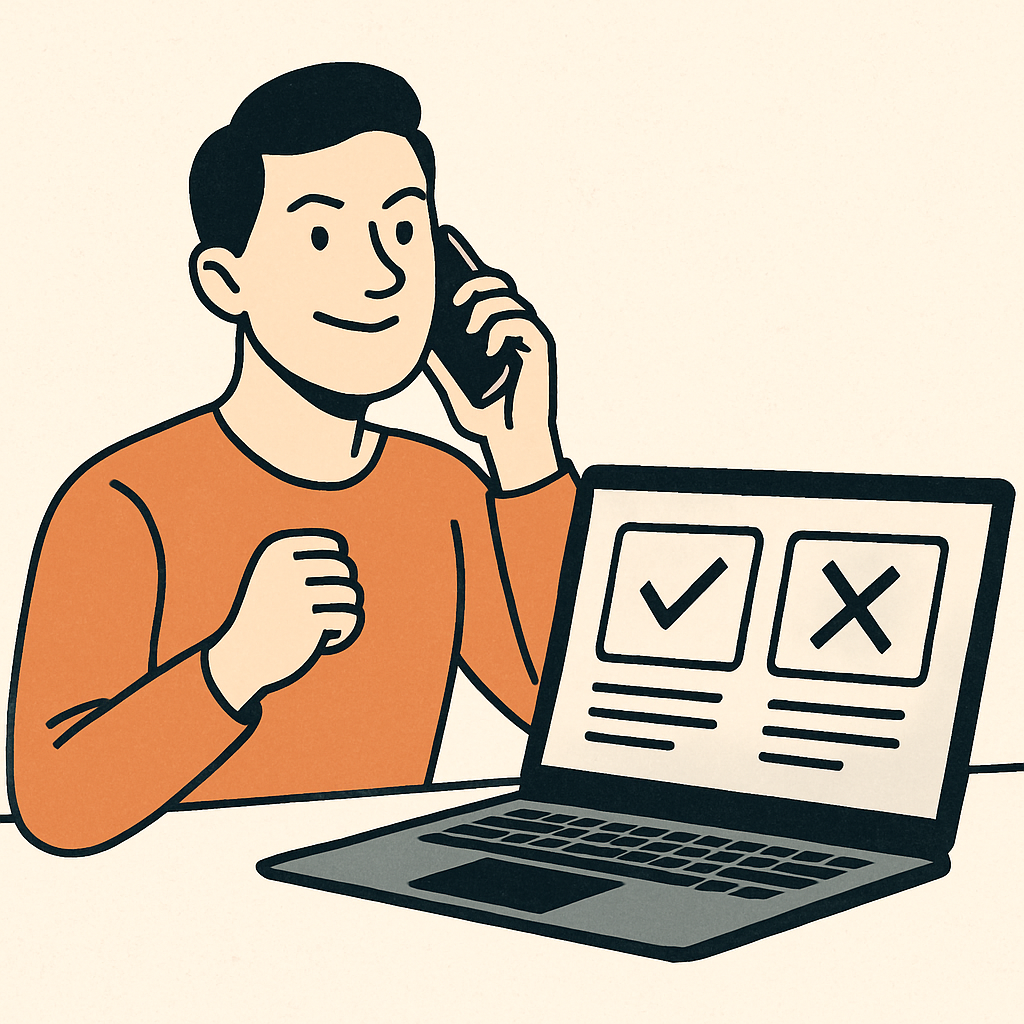
If haggling doesn’t get you the price you deserve, switching is your trump card. This is often the best alternative to renewing your BT contract, as providers save their rock-bottom prices for new customers. Comparing BT vs EE broadband renewal prices is useful, but looking at what a completely new provider offers is where the biggest savings are found.
Switching broadband is far easier than you might think. Thanks to industry rules, you usually don’t even have to make that awkward ‘break-up call’ to your old provider. Simply find a deal you like on a price comparison website and sign up directly.
From that point on, your new provider takes charge. They will contact BT or EE for you, handle the cancellation, and arrange the switch-over date.
It’s an easy process that helps you get a better deal with little trouble. This is a good choice when switching from EE to a cheaper network.
Your 3-Step Action Plan to Lower Your Bill Today
That unexpected bill no longer has to be a source of frustration. You now understand that an out-of-contract price hike is simply a signal to get a better deal. Here is your simple 3-step plan to start saving today and avoid out-of-contract price increase:
- Find Your Contract End Date: Check your latest bill or log in to your online account.
- Research a Better Price: Spend 5 minutes on a price comparison website.
- Make the Call: Phone your provider armed with your research and use the haggling tips in this guide.
Think of this not as a penalty, but as an invitation. Your provider wants you to re-sign, which puts you in control. Following these steps could put over £200 back in your pocket this year. Don’t pay more than you have to.
Related links